
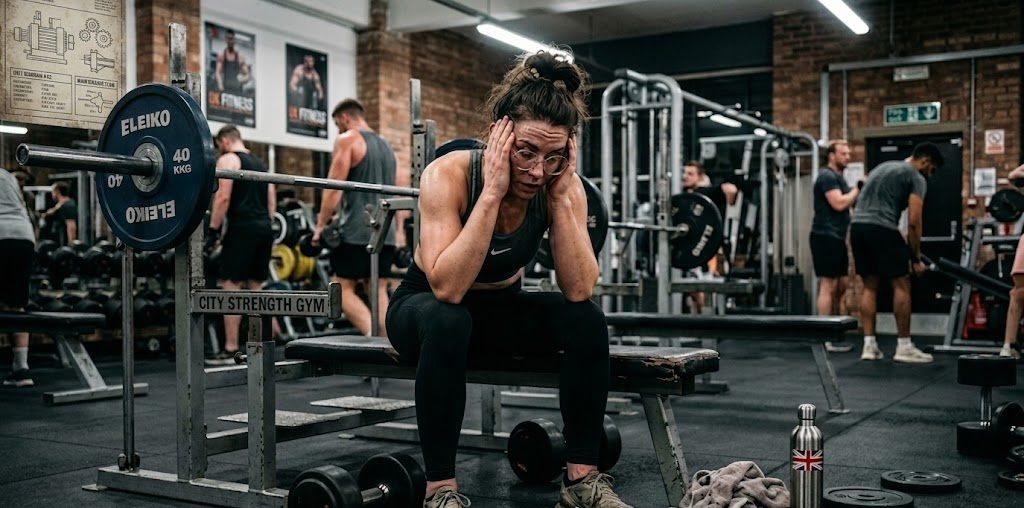
Your alarm goes off, and you get out of bed, feeling heavy and tired. The idea of another workout is overwhelming. This isn’t a matter of willpower; your body is communicating something to you.
Overtraining happens when the desire to succeed ignores the need for rest. While it’s good to push yourself, there’s a point where extra effort stops helping and can actually hurt your progress.
According to PureGym’s UK Fitness report, 1 in 12 say they never take a rest day. This habit can harm both your progress and your long-term health.
Real progress happens during recovery, not just in your workout. Muscle growth and fat loss occur when you rest. Without enough downtime, your performance can stall, and you might risk injury.
Choosing to rest is a smart part of a training plan, not a sign of giving up.
At Sam Gray, we help you achieve lasting results through personalised training, clear nutrition guidance, and a supportive, non-intimidating environment.
Key Warning Signs That You Are Overtraining
Here are the six key warning signs that you are overtraining at your gym and need a complete rest day:
Sign 1: Persistent Muscle Soreness
Feeling sore after a tough workout is normal. That ache the next day means your body is getting stronger. However, problems arise when the soreness lasts too long.
If your legs still feel heavy and tender more than 72 hours (3 days) after working out, your muscles haven’t fully recovered. Training while sore can damage tissue that hasn’t had a chance to heal. This can lead to a plateau at best and a strain or tear at worst.
A recent NHS England report found that musculoskeletal conditions account for about 30% of GP visits in England. These conditions cause the loss of over 30 million working days each year. Many cases start with ignored pain signals, like the ongoing soreness that comes from training the body too hard and too often.
Pay attention to the type of soreness you feel. A deep, long-lasting ache in the muscle is different from sharp pain, which may signal an injury. If something feels off, it’s best to rest first and seek advice later.
Sign 2: Declining Gym Performance
You have been consistent for weeks. Your workout routine is strong, but suddenly you can’t lift what you did last Tuesday.
A sudden drop in strength, speed, and endurance is a clear sign that your body is under too much stress. When your nervous system is tired, it cannot activate your muscles effectively. This leads to workouts feeling harder than they should, with less progress.
Often, people try to train harder to make up for this. That is the wrong approach.
If you notice a drop in performance over two or more sessions in a row, your body is asking for a break, not a bigger challenge.
As an example, a strength coach discusses the physical signs of overtraining and how to identify a genuine performance drop:
Sign 3: Disrupted Sleep Patterns
Quality sleep is crucial for recovery. During sleep, your body releases growth hormone, repairs muscles, and resets the nervous system. If you overtrain, this recovery process is disrupted.
When you train too much, cortisol levels increase. Cortisol is a stress hormone that can hurt your sleep quality if it stays high for too long. You might struggle to fall asleep at night, wake up often, or sleep the full eight hours, but still feel tired in the morning.
If your sleep was fine before a tough training period but has become restless or broken since, overtraining could be the reason.
Sign 4: Elevated Resting Heart Rate
This is an easy way to monitor your health, but it’s often forgotten.
Check your heart rate first thing in the morning, before you get out of bed. Tracking your heart rate regularly over a few weeks gives you a good baseline. If your resting heart rate rises by eight to ten beats per minute above the baseline, it could mean that your body is under stress.
| Morning Check Sidebar: This simple check takes less than two minutes: Measure your resting heart rate before sitting up.Rate your energy levels from one to ten.Note any muscle heaviness or joint stiffness. |
If your heart rate is high and your energy score is below 5 for two or more consecutive mornings, take that as a sign to rest. Use heart rate variability apps like Elite HRV on a smartwatch or fitness tracker to make this monitoring easier over time.
Sign 5: Frequent Physical Illness
Have you noticed that you’ve had three colds in the last two months?
This might be a sign of overtraining, which can weaken your immune system. When you put your body under a lot of physical stress without enough recovery, it concentrates its energy on handling that stress instead of fighting off illness.
As a result, your immune system takes a longer time to respond. Small infections that a well-rested body would easily fight off can transform into full-blown colds that leave you feeling sick for days.
If you find yourself getting sick often during a tough training period, it means you may need to adjust your routine. At that point, resting is not just a luxury; it’s vital for your recovery.
For a clearer understanding of why your body becomes more vulnerable during intense training blocks, explore this guide on how exercise weakens your immune system and increases your risk of infection.
Sign 6: Negative Mood Changes
Many high performers often ignore this sign: overtraining can affect your mind.
When you push your body too hard, your stress hormone, cortisol, rises, while important chemicals such as dopamine and serotonin drop. This shift can noticeably change your mood. Things that usually wouldn’t bother you may start to feel overwhelming. Workouts that used to make you feel great can start to feel like a chore.
If you find yourself snapping at others, dreading your gym sessions, or feeling down for no clear reason, it’s time to consider if your training is too much. This isn’t about lacking motivation; it’s a natural response from your body to overtrain it.
Active Recovery Versus Total Rest
Not every rest day means you have to lie on the sofa. The best choice depends on how your body feels and how hard you have been training. Use this table to determine what works best for you.
| Active Recovery | Total Rest | |
| What it means | Low intensity movement with no training load | No structured exercise at all |
| Best used when | Mild soreness, low fatigue, steady training week | Severe soreness, illness, or after a heavy training block |
| Examples | Walk along Bournemouth seafront, light mobility work, gentle stretching | Sleep in, read, focus on nutrition and hydration |
| Goal | Promote blood flow, flush metabolic waste, reduce stiffness | Allow full physiological repair and nervous system reset |
| Intensity | Very low, conversational pace, no breathlessness | Zero structured effort |
| How you should feel after | Looser, lighter, and more energised | Rested, less inflamed, and mentally refreshed |
No matter what you choose, remember these three key factors: drink enough water, eat good food, and get enough sleep. A rest day focused on hydration, nutrition, and eight hours of sleep helps your progress more than a poor training session when your body is tired.
Conclusion
Ignoring signs of overtraining can slow down your progress. Look for symptoms such as ongoing soreness, trouble sleeping, a higher resting heart rate, frequent illness, mood swings, and decreased performance. These are signals that you need to take action.
Rest is not a setback; it is vital for improving physically. Train hard, but make recovery a priority to keep everything in balance.
If you are ready to build a more balanced routine, explore our practical guide on easy ways to make fitness a sustainable daily habit.

